
Join us on the journey towards less CO₂
We have been providing transport sustainably together throughout Flanders for 30 years. And we’re clearer than ever about where we’re heading: towards smarter mobility. Will you join us on the journey?
Cutting CO₂ emissions – what exactly does it mean?
We hear so much about CO₂ emissions and climate these days, with enormous numbers that are difficult to comprehend. What exactly does it mean to emit 1 kilo or 1 ton of CO₂? And how can you join us on the journey towards less CO₂ by taking the bus or tram?
“1 million tons of CO₂ would be saved every year if every Flemish person left their car at home for one day a week.”
That’s equivalent to the whole of Flanders going vegetarian for four months.
By travelling with De Lijn you contribute to:
A healthier life
A better climate
Far fewer traffic jams

Working at De Lijn is another way of doing your bit!
A liveable Flanders with sustainable and attractive mobility for everyone. You can play your part in that!
Read more about itThis is how De Lijn drives greener every day
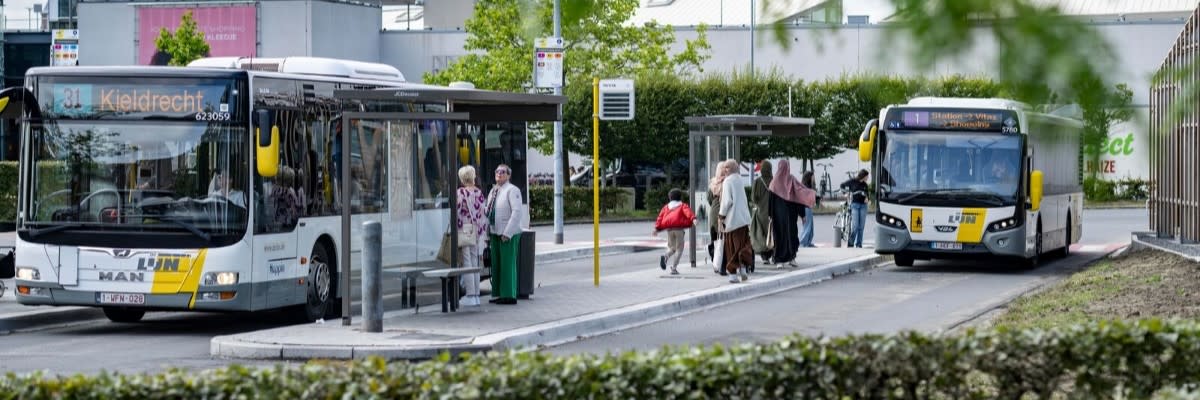
At De Lijn we work every day to make our fleet and our buildings greener. Fossil fuel vehicles remain one of the largest sources of CO₂ emissions. But 1 full bus or tram replaces up to 30 cars. Is that bus or tram electric? Then it really is the most sustainable alternative.
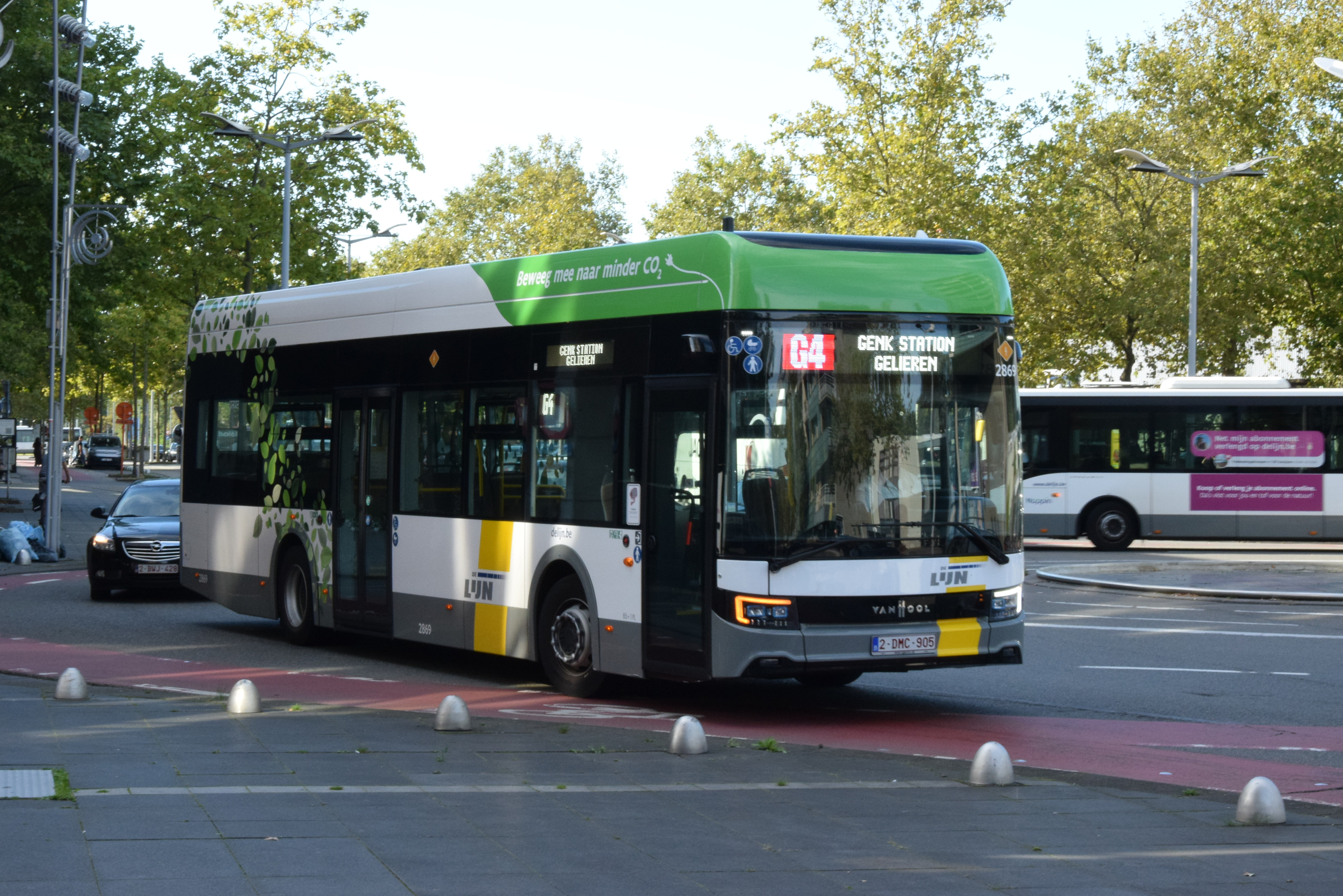
Electric Bus Systems: emission-free transport 2035
De Lijn’s mission is to provide sustainable and attractive mobility for everyone. Deploying Electric Bus Systems (EBS) contributes to this mission.
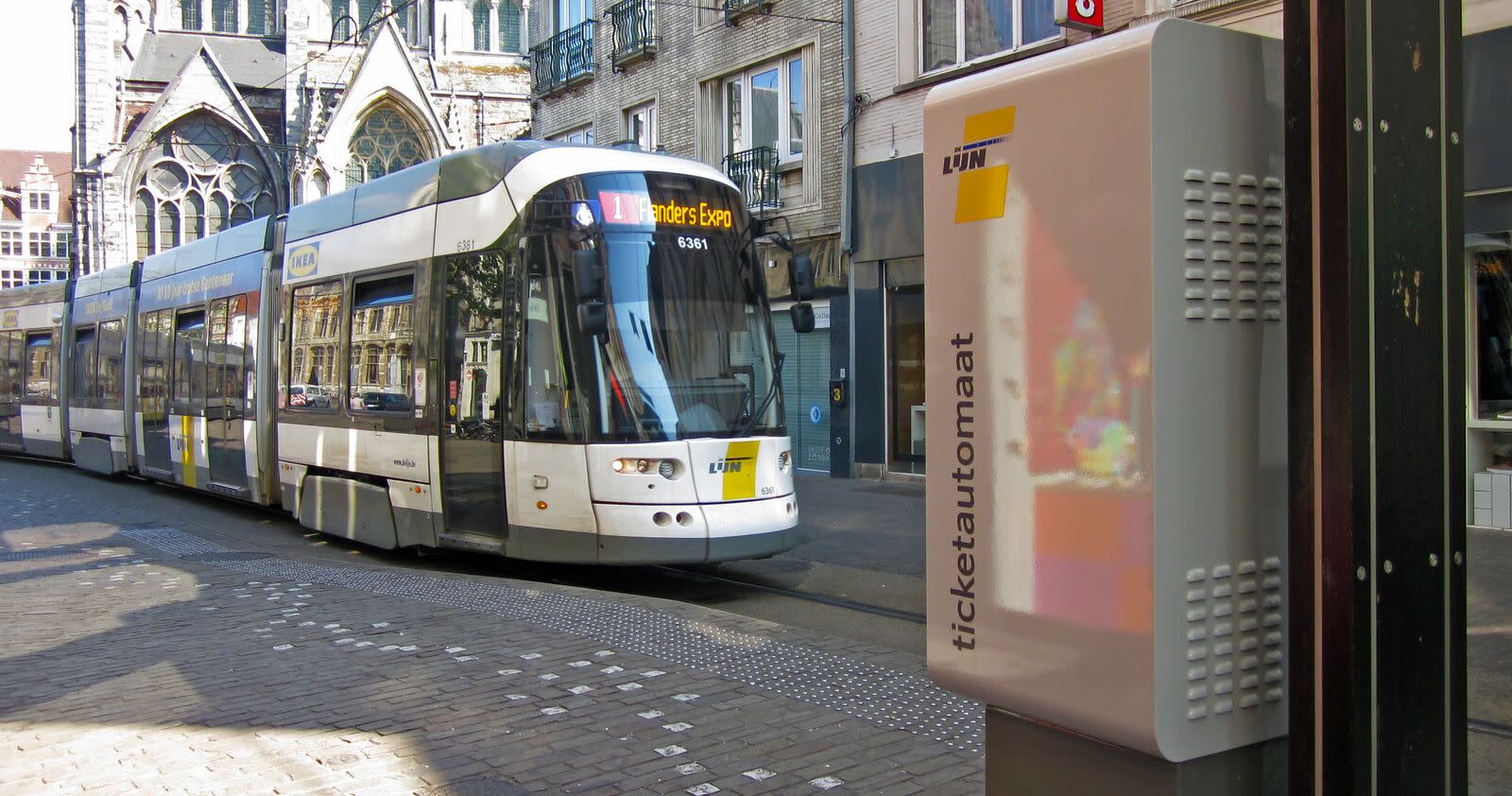
Tram journeys are getting greener all the time
Trams are already electric of course. Can they be made even more sustainable? Absolutely – by opting for electronic control, better insulation and less weight, which we are also doing.
“By 2035: 172,000 tons less CO₂ than in 2021”
Thanks to new electric and hybrid buses.
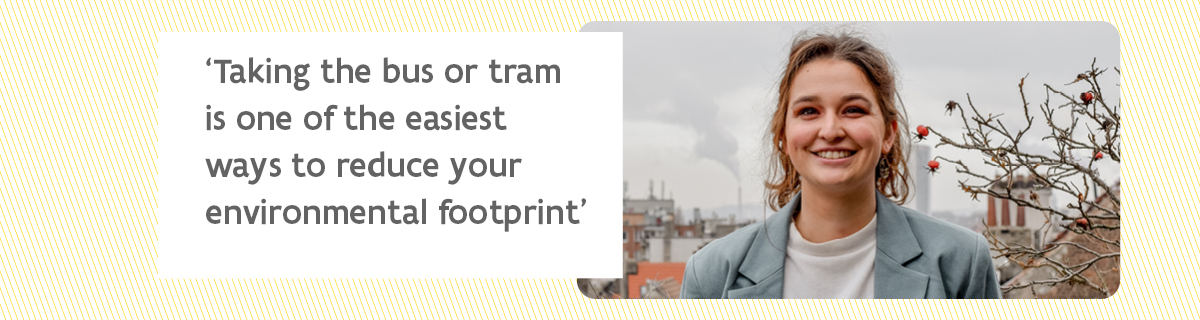
Mobility expert Marie Desrousseaux of Bond Beter Leefmilieu
How are we taking further action?
Our vehicle emissions are important, but what impact do our buildings have? From purchased goods and services to waste and staff mobility, here too we are aiming for climate neutrality.
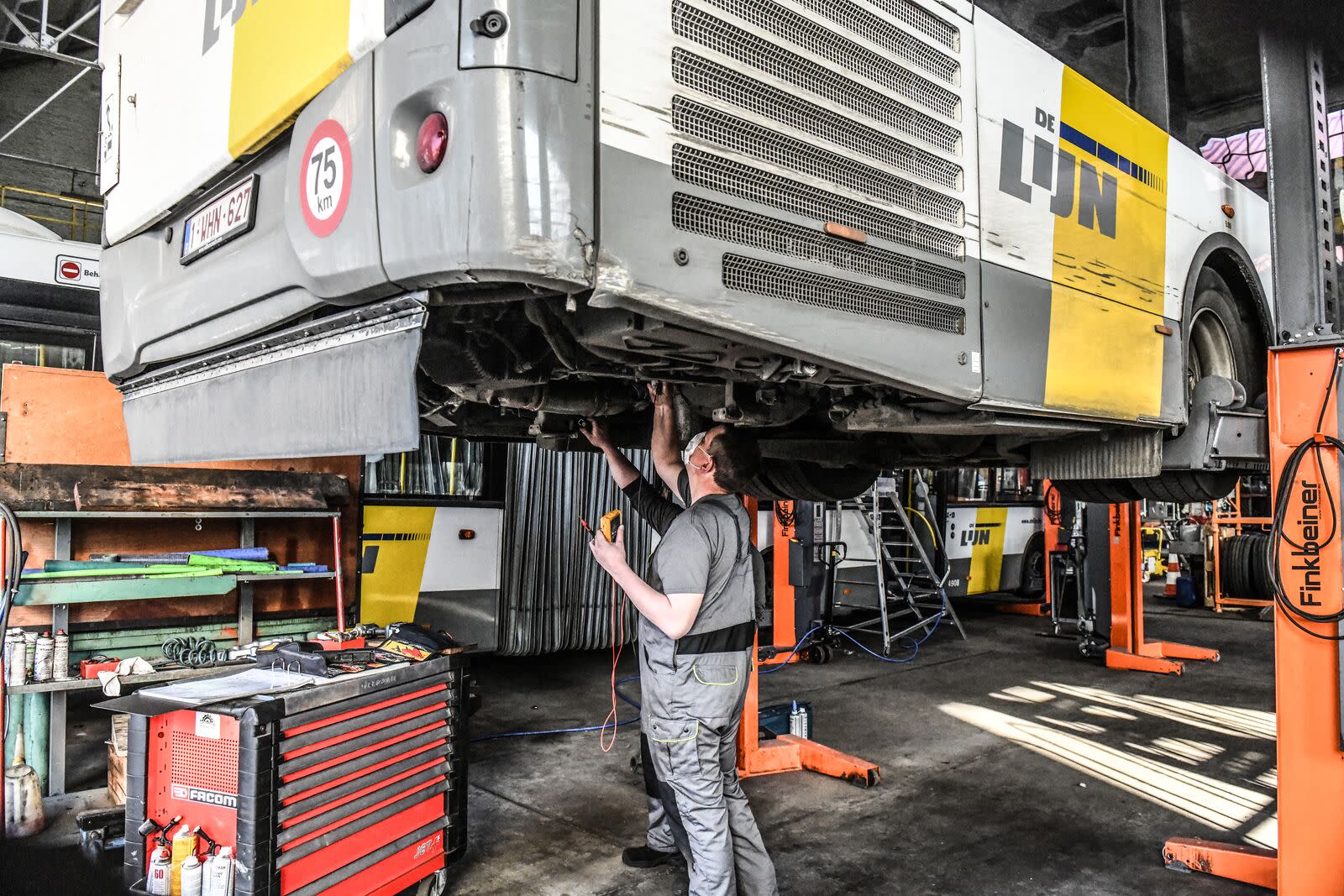
Elke bus en tram krijgt ooit een nieuwe bestemming
Een grote vloot van bussen, trams en dienstvoertuigen voortdurend vernieuwen, betekent jaarlijks tientallen afgedankte voertuigen uit roulatie nemen. Sander Ram (manager Beheer & Innovatie voertuigen) legt uit hoe dit slim en duurzaam wordt aangepakt én daarbij zoveel mogelijk grondstoffen worden gerecupereerd.
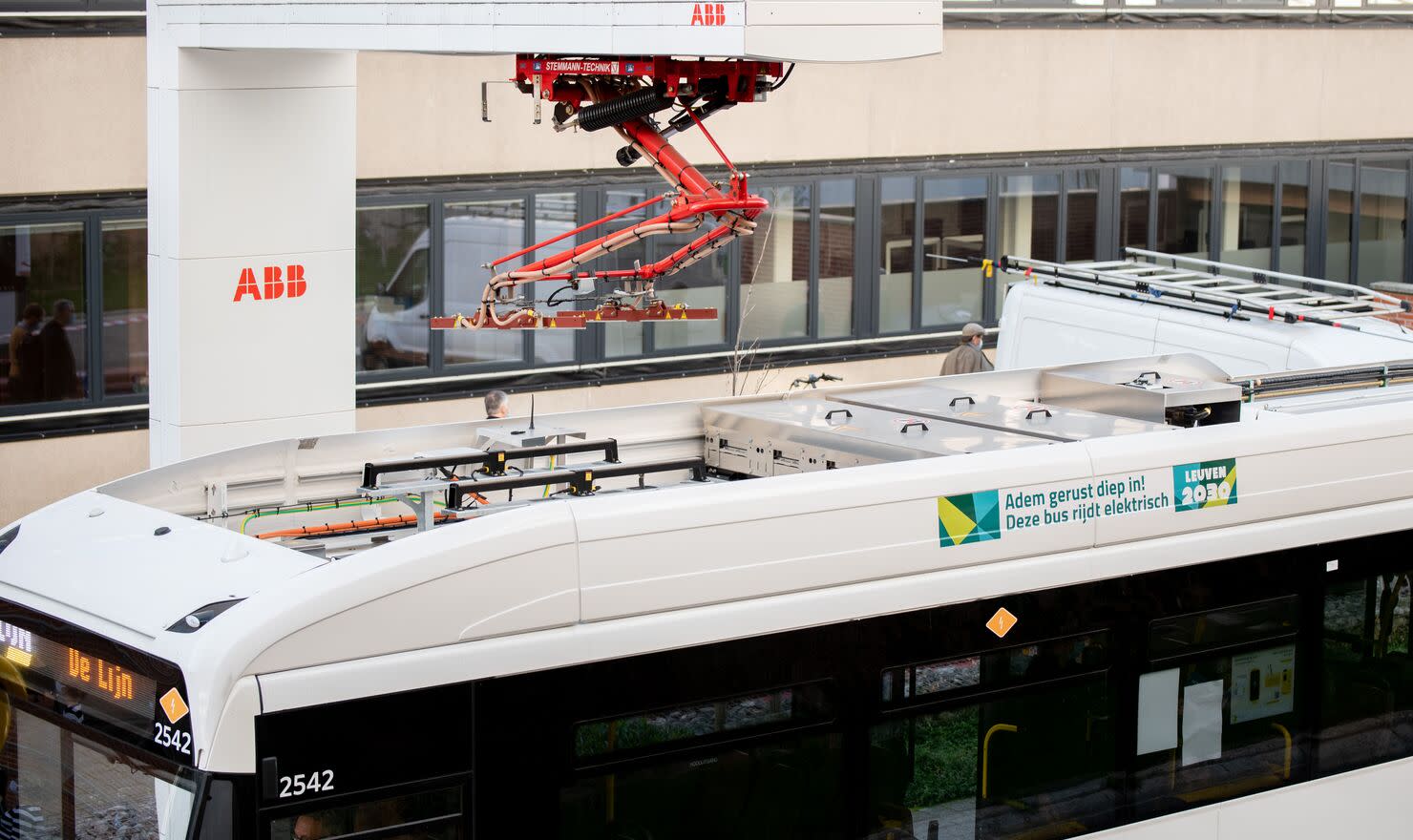
8 sustainable alterations to depots
The e-buses require us to convert our depots so we can charge them overnight. This takes years, because there is more to it than just installing a few charging stations.
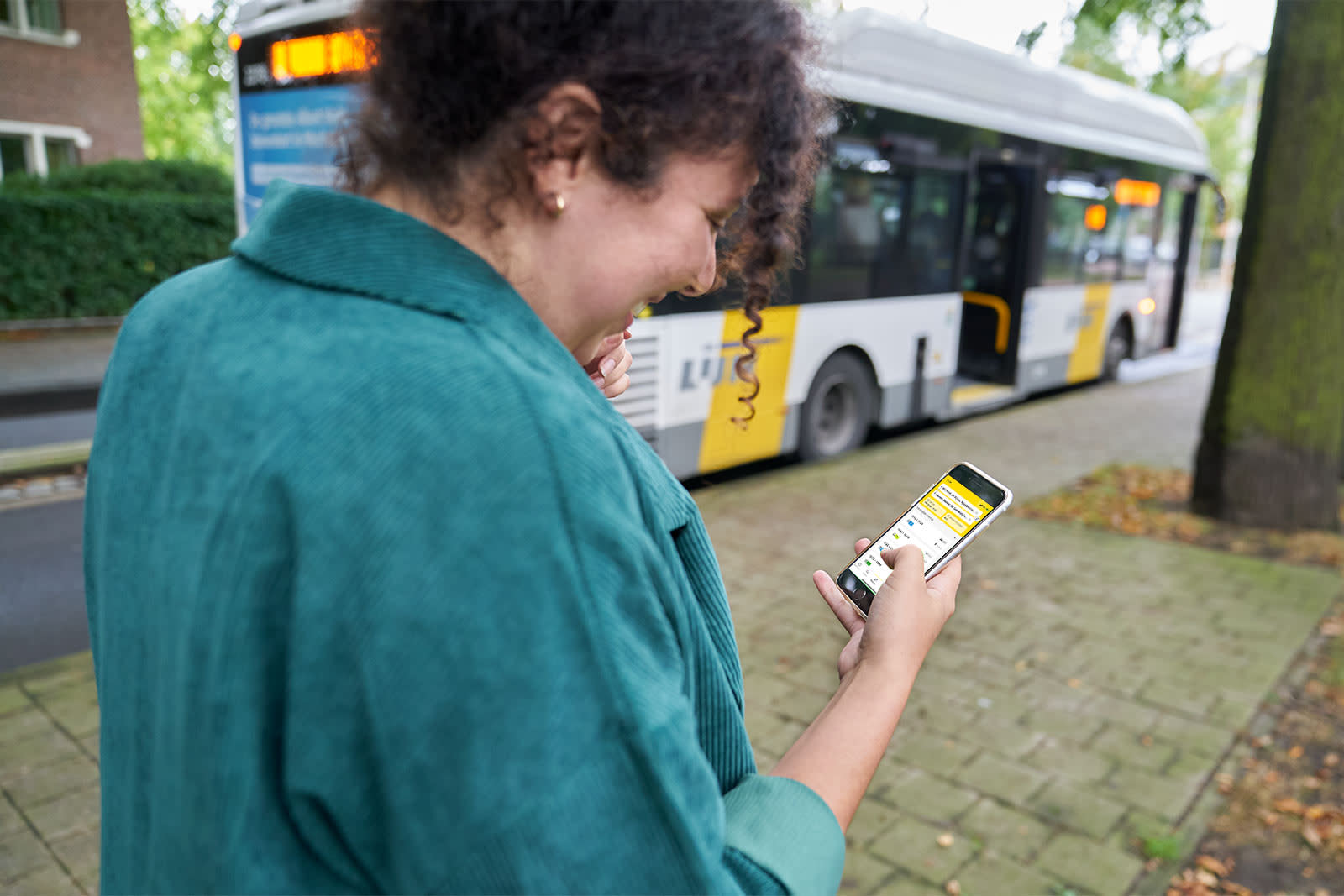
As far as possible, we communicate digitally
Maximising digital communication is something we’re fully committed to at De Lijn. After all, why waste paper when there’s an alternative? Whatever you want to know, you can find it at delijn.be and in our app! And when it really is necessary to use paper, we print on sustainable paper and ensure that it is sent sustainably.
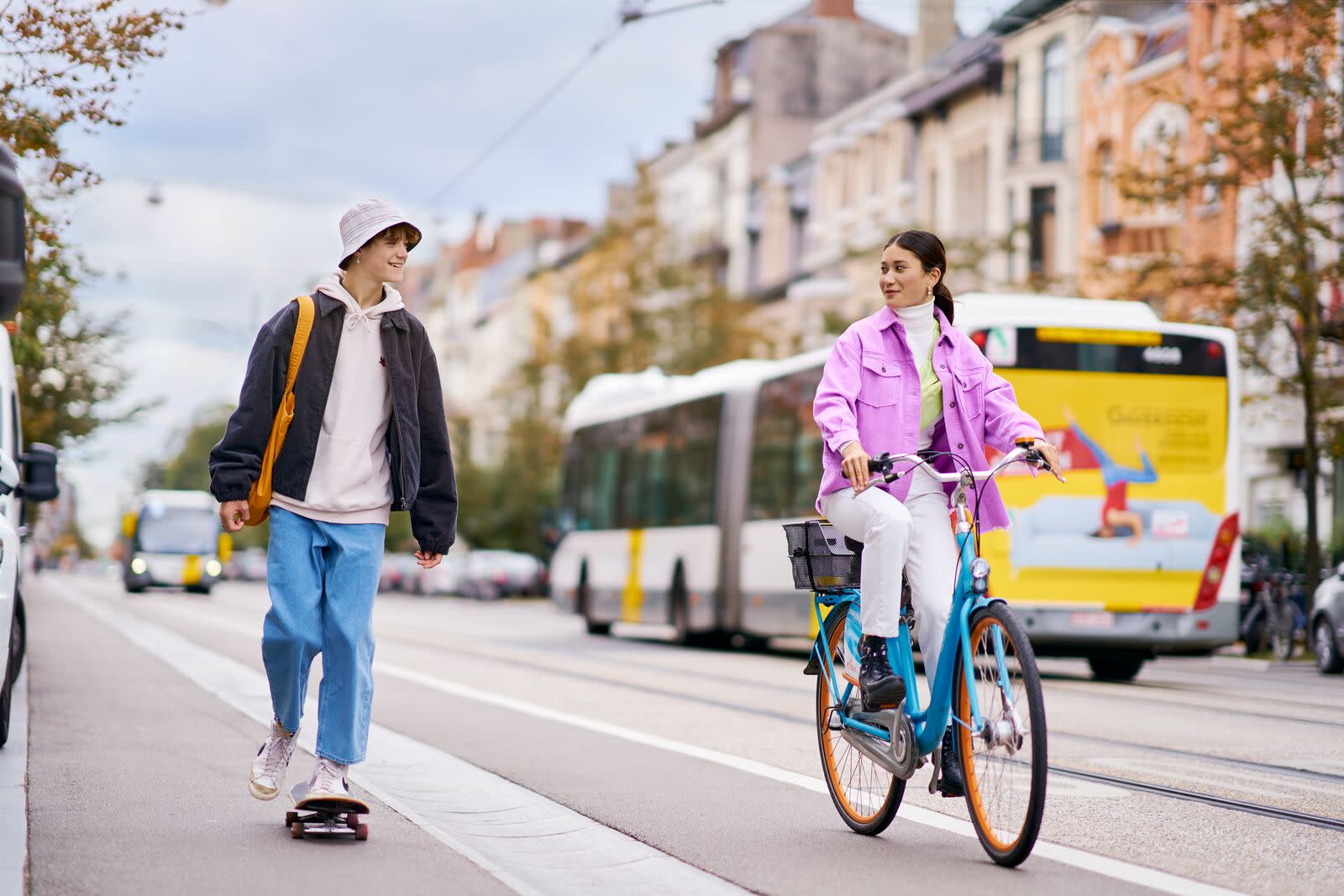
Moving forward and improving together
We are working together with our partners in mobility to ensure that your ride with us is enjoyable and smooth. In this way we’re all making Flanders an even more liveable place.
Resolute innovation
How can we improve public transport for you still further? And how can we do so as sustainably as possible? These questions form the basis for our vision for the future. In order to make that vision a reality, we seek resolute innovation at De Lijn.
The Belgian Alliance for Climate Action
Membership of De Lijn is a logical next step in all the initiatives we are already taking today to reduce our greenhouse gas emissions.
“All the electricity we consume is green”
98 to 100% hydropower, supplemented by solar and wind energy.

Yellow on the outside, green on the inside
All of our Lijnwinkel stores will also be given a sustainable makeover.
Step inside
*Flanders has approximately 3.6 million cars. Each car travels an average of 14,000 km per year, with average emissions of approximately 140 g of CO₂ per km.
The following calculation can be used to show the effect of one day a week without driving:
1/7 * 3.6 million * 14,000 km * 140g of CO₂ per km = a saving of 1 million tons of CO₂.
The impact of one person following a vegetarian diet is approximately 500 kg per year. There are around 6.5 million Flemish people, so the impact is approximately equivalent to the whole of Flanders eating vegetarian food for four months.
Figures from Climact